custom garage doors · Houston
Your home.
Your door priorities.
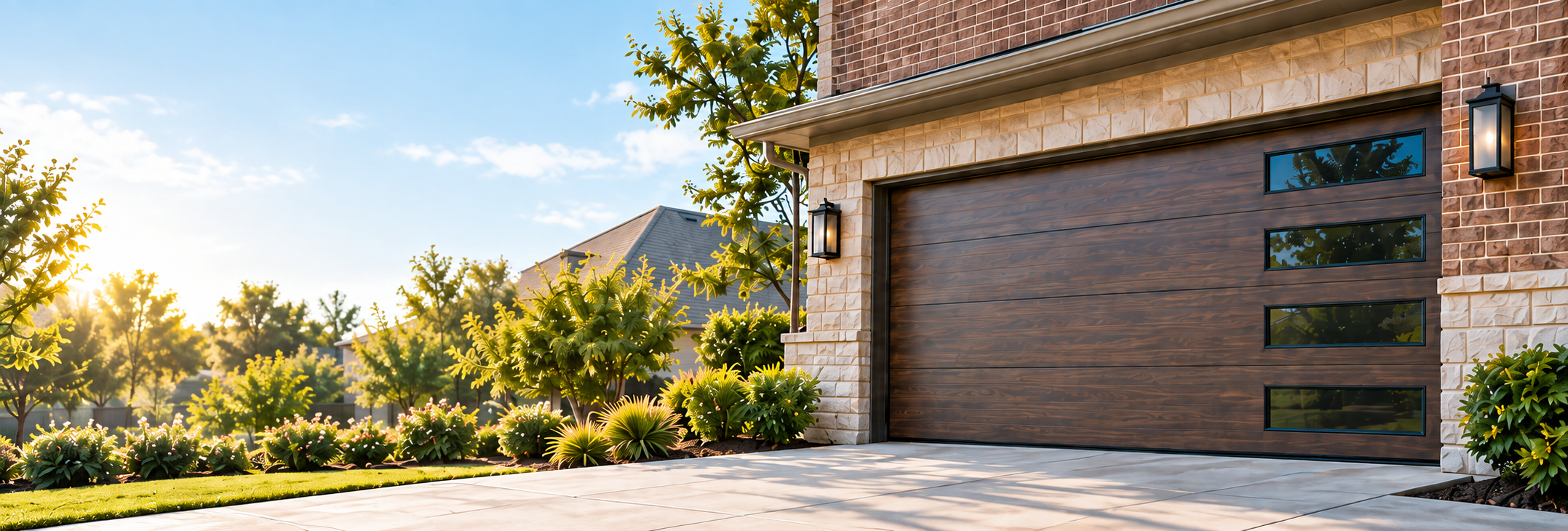
Plan custom garage doors in Houston with clear choices for proportions, finish, windows, and fit.
Custom Garage Doors in Houston.
A custom-door conversation begins with the look you want and the opening you actually have. Some projects can be met with configured options from a product range; others need a more specialized design discussion. LifeTime Garage Doors can help clarify the request and confirm the available scope before you commit to a specification.
Turn inspiration into a usable brief
Share photographs or design references and explain what you like about them: panel proportions, glazing, finish, or the relationship to the rest of the house. Include any neighborhood or property-management requirements. A reference image is a starting point, not a confirmation that the same construction will suit your opening.
Discuss dimensions and operation together
An unusual opening, heavier material, or different door layout affects more than appearance. The supporting opening, clearances, hardware, and opener need to be considered together. Measurements and product requirements should be confirmed before fabrication, ordering, or an installation schedule is agreed.
Know which decisions are final
Ask how drawings, finish samples, dimensions, and product approvals will be documented. Confirm what can still change and what becomes fixed when an order is placed. Lead times, sourcing, installation responsibilities, and applicable product terms should be clear for the specific proposal.
What to expect from your service.
Describe the opening
Tell us about the property, current equipment, and the change you have in mind.
Compare the options
Review the door, hardware, opener compatibility, and what the proposed work includes.
Confirm the plan
Agree on measurements, product availability, site preparation, and scheduling.
How a custom garage door moves from an idea to an order
Define what you mean by custom
For one homeowner, custom means choosing a distinctive color and window pattern within a standard product line. For another, it means matching unusual proportions or creating a material and design combination for a specific house. Those paths have different costs, lead times, and technical limits. Bring photographs of the home and inspiration images, but also point out the exact features you like. We can separate the look you want from details that may not suit the opening, climate, maintenance expectations, or budget, then identify realistic ways to achieve the overall effect.
Design around the opening and the streetscape
A door has to work mechanically before it can work visually. Measurements, headroom, side room, ceiling obstructions, track layout, weight, and opener compatibility all shape the possible design. From the street, panel scale and window placement matter just as much as color. If the property has HOA or architectural-review rules, gather them before approving a design. A scaled drawing or product rendering can be useful, but final selections should be written clearly so everyone is discussing the same door.
Understand materials and long-term care
Wood, steel, composite materials, glass, and specialty finishes create different appearances and different ownership routines. Ask how the surface should be cleaned, how often a finish may need attention, and what exposure could change its appearance over time. Dark colors and direct sun, for example, deserve a specific product conversation rather than a general assumption. We can compare the manufacturer information for the choices you are considering and help balance authenticity, maintenance, insulation, weight, and cost.
Approve the details before production
Custom work leaves less room for casual changes once the order is released. Review the opening dimensions, door layout, panel design, finish, glass, decorative hardware, track arrangement, opener plan, and the items included in installation. Ask which choices are final and how any change would affect price or schedule. Keep a copy of the approved specification. At handover, keep product records and care guidance as well. Clear documentation protects the design intent from the first conversation through the finished installation.
Custom Garage Doors: your questions.
Does custom always mean a completely bespoke door?
No. The request may involve selecting configured options from an existing range or a more specialized product. Ask which approach fits your design and what is actually included in the proposal.
Can a custom door work with my current opener?
That needs a compatibility and condition check. Door construction, weight, movement, hardware, and the opener's requirements should be reviewed together before retaining existing equipment.
Can you promise an exact match to a photo?
A photograph is useful inspiration, but materials, dimensions, finish availability, and site conditions can limit an exact match. Ask for the proposed specification and any differences to be explained before ordering.
When should I discuss neighborhood design approval?
Early in the project. Obtain the relevant requirements from the responsible association or property manager and share them before selecting a door or committing to an order.
Does custom always mean a one-of-a-kind door?
No. A custom result can come from combining size, panel, finish, windows, and hardware options within an established product line. Other openings may require more specialized engineering or fabrication. We can explain which path fits the design and the physical requirements of your project.
Can a custom door work with my existing opener?
Possibly, but the opener must be suitable for the door’s weight, balance, dimensions, track arrangement, and expected use. We review the operator as part of the system and state what can be retained. A working opener should not be assumed compatible with every custom configuration.
What should I bring to the first design conversation?
Bring exterior photos, approximate opening information, inspiration images, HOA or architectural guidelines, and a short list of priorities. Tell us how the garage is used and which features are essential versus flexible. Exact measurements and final product details can be developed after the direction is clear.
Tell us where you need help.
Share your service address so we can confirm coverage and appointment availability for the requested work.